
Scheduling tree trimming in Bellevue, WA, is essential to ensure your yard remains healthy, secure, and aesthetically pleasing. Residents of Bellevue, as well as other areas, trust Cascade Tree Services due to the customized care that their trees need, which depends on certain climatic conditions and patterns. In addition, trimming ensures that your yard remains secure.
A consistent trimming and care schedule means that your tree remains sturdy, healthy, and protected from storms. With proper timing, this task can help your tree grow, avoid overgrowth, and optimize sun entry in your yard. Homeowners can optimize a tree care schedule by understanding proper timing for different types of trees.
Knowledge of Local Climates and Growth Cycles
Bellevue’s wet winters and warm summers make a huge impact on how quickly your trees are able to grow. This also ensures that your trees grow quickly in the spring, which means that you should check your trees regularly. Some of your trees also grow in conditions where excess moisture creates fungus, which can cause pests.
To avoid hampering tree growth, it is important to divide your trimming cycles in line with the seasons. With this, your trees will grow in the correct directions. A company will usually suggest that you schedule the tree trimming service in Bellevue, WA, in either winter or spring, when it will help minimize stress to your tree and promote healthy regeneration.
Annual Trimming for Most Mature Trees
In most cases, most of the mature tree species in Bellevue require annual pruning to avoid overgrowth. If a tree is allowed to grow without professional care for a period of over a year, it will develop heavy branches that are likely to break when it is windy.
Homeowners with mature trees would benefit from annual visits since overripe tree branches may interfere with roof tops, electrical wires, and walking paths. Annual trimming of tree branches also prevents diseases from developing in them as a result of insufficient air and sunlight.
Younger Trees Require Greater Attention
Younger trees grow quicker, with a lot needing to be pruned to develop a stable root structure. Some must be pruned every six to nine months to help them grow upright and counteract other undesired branches that are stunting a successful root structure.
Since the juvenile trees are also in a period of adaptation from the various seasons in Bellevue, it ensures that regular trimming takes place, which will make them resistant to the effects of storms and to contracting any diseases in their early years.
Fruit Trees Require Seasonal Maintenance
A fruit tree has to be pruned at least once a year to help it bear as many fruits as it can. Fruit trees in Bellevue grow very quickly, and in their early stages, many of them have to be pruned to avoid being too close to each other, which affects their fruits as well as their ability to tolerate sunshine.
The best season to cut fruit-producing tree varieties would be late winter, but it would also be ideal to do a bit of trimming in the summer. This would help in cutting back weak branches that would break easily. Also, it would protect the plant from insects that are usually found in fruit-producing plants.
Evergreen Trees Require Less Pruning
Evergreen trees, seen everywhere in Bellevue, are typically trimmed every two to three years since their rate of growth is relatively slow. These types of trees grow on their own without requiring much trimming, but it is important to remove any dead and diseased limbs.
If your evergreen plant gets too dense, you find that it is crowding other structures around you, or you experience issues with pathway access, trimming by a professional will solve this problem. While it does not require as much maintenance as other types of plants, it will, nonetheless, benefit from cutting.
Safety Hazards Can Require Immediate Trimming
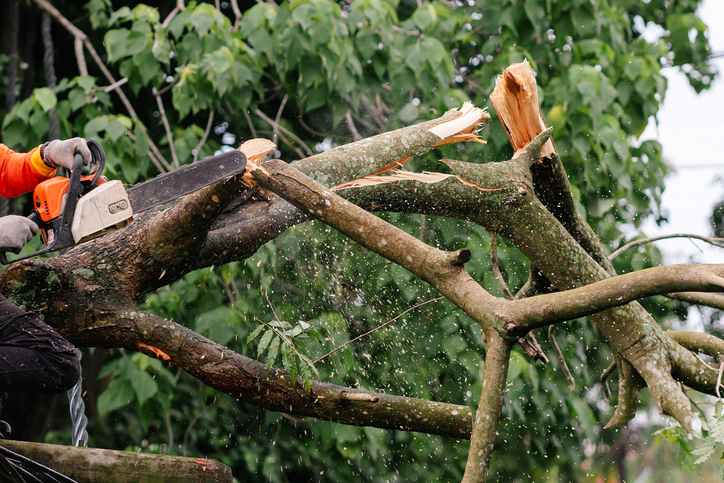
Some types of trees ought to be pruned when there are potential hazards outside of a scheduled routine. This takes into consideration storm conditions, which may cause weakened tree limbs that are susceptible to breakage. Also, leaning, dead, and overhanging tree limbs near your house pose potential hazards.
Early identification of these risks can help avert emergencies and minimize long-term repair costs. Homeowners can check their trees for potential risks after a strong gust of wind or heavy rainfall, requiring immediate trimming for a secure outdoor setting.
Trimming for Prevention of Diseases and Pest Involvement
Its humid climate provides a perfect environment for fungal infections, decay, and infestation. Annual trimming of the plant will eliminate any weak and fungal-infected plant parts that are prone to spreading further infections in other areas of the plant. This would help enhance air circulation and sunlight, which reduces moisture.
Routine disease-prevention trimming helps trees recover faster and strengthens their natural defenses. For long-term health, homeowners should schedule seasonal inspections and follow through with corrective trimming recommended by tree specialists.
Monitoring Growth Between Visits
Although it follows a predictable routine, it is important for a tree to be periodically inspected in order for it to stay in good health. This can be done by monitoring for signs of drooping branches, odd growth, and sparse leaf distribution.
Homeowners who make it a point to keep a keen eye on their landscaping property are able to maintain healthier, more attractive trees. This also eliminates potential problems by making every cut a professional has to make more efficient.
Conclusion
Tree trimming plays a critical role in maintaining your property’s functionality, stability, and aesthetic appeal. With knowledge of the various needs of different types of tree varieties, homeowners in Bellevue are able to plan for trimming when needed to avoid negatively affecting plant development.
FAQs
1. How Frequently Should Homeowners in Bellevue Trim Their Trees?
An average tree would require cutting every year, but some, like those that are still young or fruit-producing, would require cutting more often.
2. To trim a tree in Bellevue, when in a year is ideal?
“Late winter or early spring” is usually the preferred season since it involves an interval when trees are in a dormant season, hence promoting healthy re-growing. An interval of summer trimming for shaping has also been used.
3. How do I know if my tree needs immediate trimming?
Indications of a problem are dead branches, leaning limbs, storm damage, and obstructions in power lines. Taking immediate action eliminates potential hazards.
Are you ready for expert care? Schedule your next trimming with our experienced Bellevue’s trusted professionals from Cascade Tree Services at 425-530-9697.