
Introduction
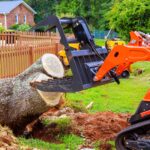
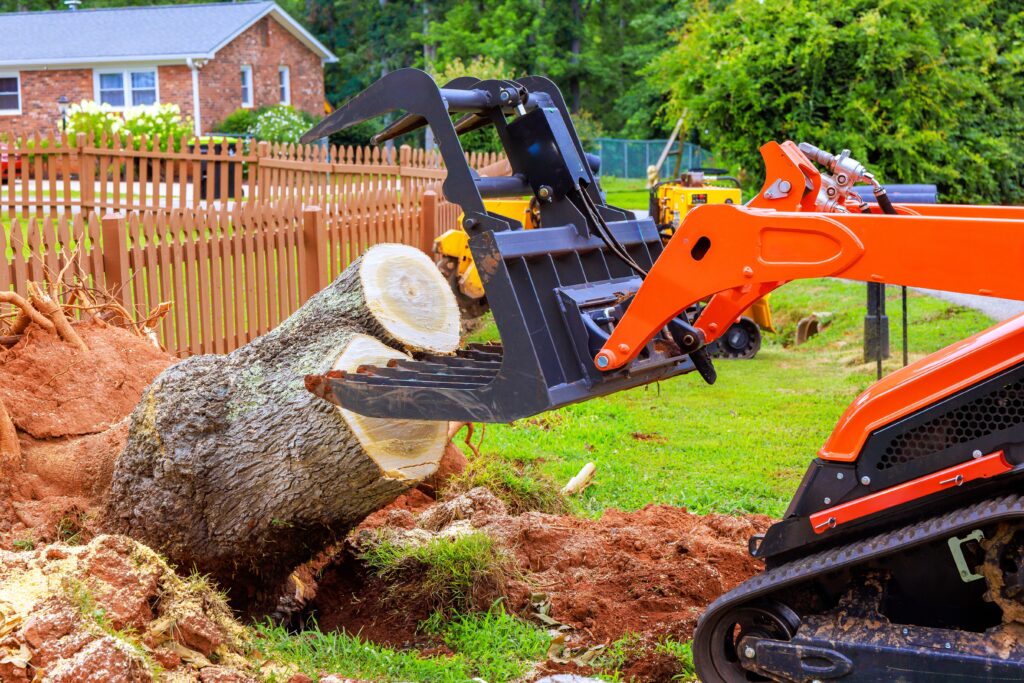
Leftover stumps often appear harmless after tree cutting, yet they quietly disrupt lawn health and soil balance. Decaying wood attracts insects, reduces planting space, and disrupts mowing patterns. Property owners exploring tree stump removal in Bothell, WA, often seek more than visual improvement. They aim to correct underground obstacles that block grass expansion and nutrient distribution. Removing stumps opens space for uniform turf development and simplifies routine maintenance tasks.
A healthy lawn depends on consistent soil structure, root access, and proper grading. When a stump remains in place, it alters moisture retention and restricts nearby plant growth. Drawing on Cascade Tree Services’ field experience, targeted removal improves drainage and restores surface leveling. These adjustments contribute directly to thicker, more consistent grass coverage.
How Stump Removal Improves Lawn Health & Growth
1. Eliminating Competition for Nutrients
A decaying stump continues to draw nutrients from the surrounding soil as microorganisms break down wood fibers. This biological process consumes nitrogen that grass requires for vibrant growth. As microbes digest the stump, nearby turf may thin or develop yellow patches. Removing the stump stops this nutrient diversion and allows grass roots to access available minerals.
Open soil also supports new seed germination without interference from woody debris. Fresh topsoil can replace the ground material left after grinding. Lawn treatments absorb evenly once the obstruction disappears. Balanced nutrient distribution promotes stronger and denser turf coverage.
2. Improving Soil Structure and Drainage
Stumps disrupt the natural contour of a lawn. Rainwater often collects around the base, creating soggy pockets that weaken grass roots. Grinding and clearing the stump restores grade consistency across the yard. Even ground reduces standing water and supports uniform absorption.
Healthy drainage allows oxygen to circulate through the soil profile. Grass roots rely on this airflow to maintain strength and resist disease. Removing compacted wood fibers promotes a healthier microbial balance in the surrounding soil. These changes create a stable base for long-term lawn performance.
3. Reducing Pest Activity and Lawn Damage
Old stumps attract termites, beetles, ants, and fungi. Once these pests settle into decaying wood, they may migrate into nearby landscaping or structures. Lawn areas surrounding infested stumps often decline due to root disturbance and soil disruption. Removing the source of infestation limits insect habitat and fungal spread.
Property owners who combine stump removal with routine tree trimming in Bellevue, WA, reduce canopy debris that feeds decay cycles. Less organic buildup lowers the chance of pest recurrence. Cleaner ground conditions protect both turf and adjacent plantings. This preventive step contributes to a more stable outdoor environment.
4. Expanding Usable Lawn Space
A protruding stump restricts mowing patterns and creates safety concerns. Lawn equipment operators must maneuver around obstacles, leading to uneven cuts. Removing the stump frees up continuous mowing paths and reduces equipment wear. Smooth ground also reduces the risk of tripping for children and guests.
Cleared space allows new landscaping projects or reseeding efforts. Homeowners can redesign planting beds or expand grass coverage without obstruction. Services such as tree root removal in Redmond, WA, further eliminate underground barriers that restrict planting options. Expanded usability transforms the yard into a more practical and visually appealing area.
5. Supporting Long-Term Turf Regeneration
After stump grinding, soil conditioning becomes more effective. Aeration, fertilization, and overseeding treatments penetrate evenly without wood fragments blocking distribution. Grass roots spread naturally into reclaimed space. Strong root networks improve resilience during seasonal temperature shifts.
Consistent lawn care produces visible improvements when underlying barriers no longer interfere. Healthy turf grows thicker and crowds out weeds. Over time, restored soil structure supports sustained regeneration. The lawn develops a uniform appearance, enhancing the overall property value.
Conclusion
Tree stumps disrupt more than landscape aesthetics. They interfere with nutrient flow, drainage patterns, and safe yard access. Removing them opens space for stronger grass growth and balanced soil conditions. Preventive action reduces pest activity and simplifies maintenance routines. A clear lawn surface supports healthier turf and a more functional outdoor setting.
FAQs
1. How long does it take for grass to grow after stump grinding?
Grass can begin establishing within a few weeks if you add quality topsoil and seed promptly. Growth speed depends on soil preparation, watering habits, and seasonal conditions.
2. Does stump removal improve overall lawn health in Bothell?
Yes. Removing a stump in Bothell reduces nutrient competition, limits pest habitats, and improves soil structure. These changes support thicker turf and more consistent lawn maintenance.
CTA:
Transform your lawn with expert stump removal from Cascade Tree Services. Our industry-trained experts and responsive support team deliver proven results. Contact 425-530-9697 today to schedule your yard improvement service.