
When homeowners search for tree pruning in Bellevue, WA, they often expect a quick trim to tidy up branches. But improper pruning techniques can create a raft of problems that show up months or even years later, from disease and decay to dangerous structural weakness. Experienced arborists spot these mistakes early and can correct them before they become costly or unsafe.
At Cascade Tree Services, our climbers regularly see well-intentioned pruning leave behind issues that are entirely preventable. Below is a homeowner-friendly explanation of the most common problems, why they matter, and what to do about them.
Why Proper Pruning Techniques Matter
Pruning is more than cutting branches. Good pruning preserves a tree’s natural shape, directs growth, prevents decay, and maintains structural strength. Poor cuts, too close to the trunk, at the wrong angle, or removing too much canopy at once, can interrupt the tree’s healing process, invite pests and pathogens, and create stress that reduces vigor over time.
Before the list below, note this: even small pruning errors compound over seasons and can turn inexpensive fixes into major removals.
Common Problems Caused by Improper Pruning
Here are common problems that improper pruning can cause.
- Large, Incorrect Cuts (Flush Cuts and Topping)
Cutting large limbs too close to the trunk or “topping” a tree removes the branch collar and the tree’s natural defenses. The result is slow-healing wounds, exposed heartwood, and a higher chance of decay and failure. - Excessive Canopy Removal (Over-Pruning)
Taking off more than 25–30% of the live crown at once stresses the tree, reduces food reserves, and can trigger epicormic (weak) sprouting. Repeated over-pruning shortens a tree’s life and weakens its branch structure. - Leaving Stubs or Jagged Cuts
Incomplete cuts or leaving stubs prevent proper compartmentalization and create entry points for fungi and insects. Stubs often rot and become the origin of larger structural failures. - Incorrect Timing
Pruning at the wrong season (for the species) can increase sap loss, reduce flowering/fruiting, or open the tree to pests. For many species, late dormant-season pruning is best; for others, specific summer pruning helps control growth, but a blanket approach backfires. - Using Dirty or Dull Tools
Unclean tools spread disease; dull blades tear tissue instead of making clean cuts, slowing wound closure and increasing infection risk. - Improper Training of Young Trees
Failing to establish a single dominant leader or leaving competing scaffold branches leads to weak crotches and included bark. These structural weaknesses often split under wind or ice loads later. - Leaving Hazardous Intersections (Co-dominant Stems & Included Bark)
Co-dominant stems create narrow, weak junctions. Without corrective pruning early, these become hazardous and may require removal when they fail. - Inadequate Pruning Around Utilities and Structures
Cutting too close or too far from utility lines and buildings either creates regrowth that interferes with services or leaves dangerous hanging limbs. Professional tree trimming in Bellevue, WA, balances clearance and tree health.
How to Fix and Prevent These Problems
Learn how to prevent and fix these problems.
- Prioritize correct cut placement (just outside the branch collar) and avoid flush cuts.
- Limit live crown removal to safe percentages and phase major reductions over multiple seasons.
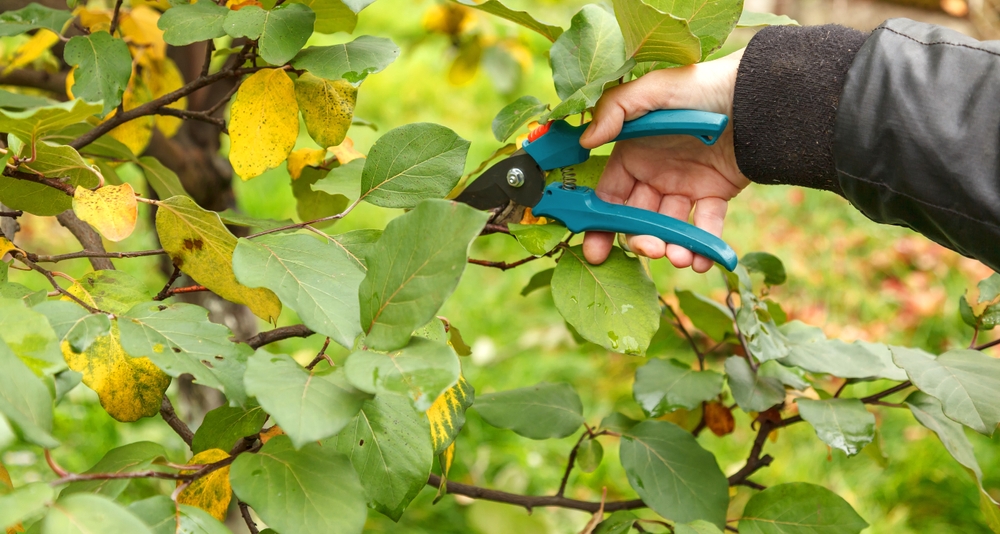
- Use clean, sharp tools and disinfect between trees, especially if disease is present.
- Train young trees with selective pruning to create a strong scaffold.
- Hire certified arborists for large removals, topping corrections, or work near utilities.
When to Call a Professional
Here’s when to call a professional for pruning.
- Large limbs overhanging structures or power lines.
- Visible decay, fungal fruiting bodies, or large cavities.
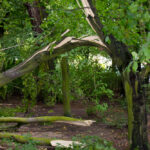
- Severe storm damage with many broken branches.
- Uncertainty about proper species-specific timing or techniques.
Conclusion
Improper tree pruning may look harmless at first, but the long-term consequences range from poor health and unsightly regrowth to serious safety hazards. Thoughtful, species-aware tree care service in Bellevue, WA, preserves tree health, improves safety, and protects property value.
If you suspect past pruning mistakes or need a safe, expert trim, contact our team at Cascade Tree Services at 425-310-9130 to schedule a corrective tree pruning in Bellevue, WA.
FAQs
1. What immediate signs tell me a pruning job was done incorrectly in Bellevue, WA?
Look for large stubs, rapid sprouting of weak shoots, visible decay at cut sites, and newly unbalanced canopies. These are red flags that need an expert in Bellevue, WA.
2. How soon can a tree show decline after poor pruning in Bellevue, WA?
Some trees react within months (epicormic sprouting or dieback); others may show slow decline over several years as decay and structural weaknesses develop in Bellevue, WA.
3. Will wound paint or sealants help a bad cut heal?
Most arborists advise against wound paint for hardwood trees. Clean, proper cuts and time allow natural compartmentalization; sealants can trap moisture and pathogens.
4. Can pruning mistakes be reversed?
Many issues can be mitigated with targeted follow-up pruning, cabling for structural support, and regular monitoring; in extreme cases, removal may be safer.