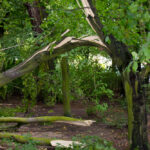

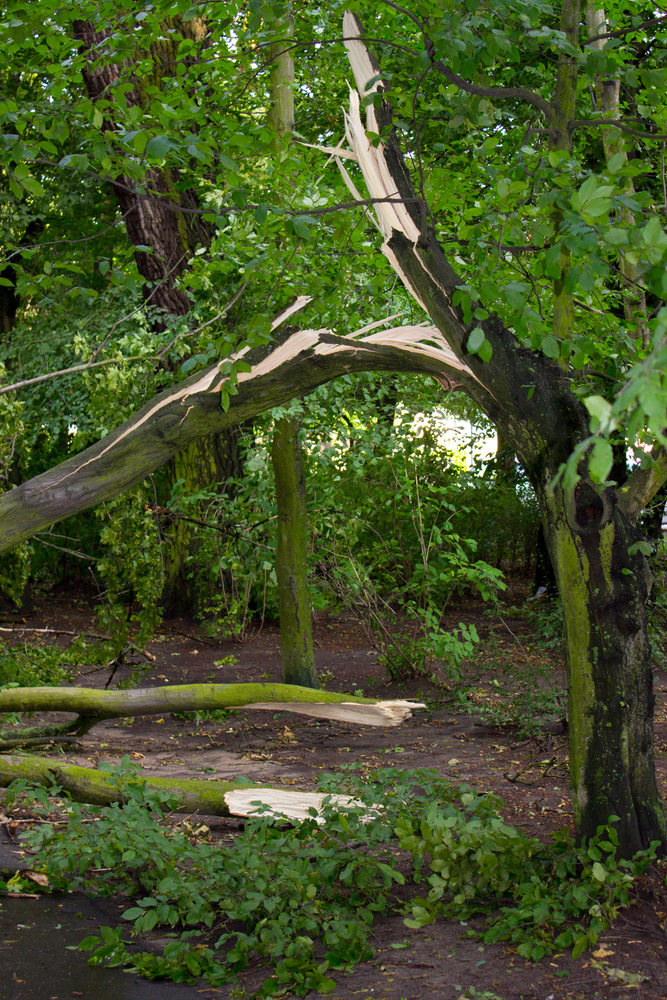
Picture this: dead calm afternoon, not a breath of wind, blue sky, and then a limb the size of a mailbox post just lets go and crashes onto the driveway like it had a personal grudge against your car. Homeowners call this sudden branch drop in Bellevue, Washington, and honestly, most of them notice it toward the end of a dry summer stretch, right when the tree looks its healthiest from where they’re standing. It happens more than folks think, and it almost never comes with a heads-up. The tree isn’t dying; there was no storm the night before, nothing that should explain a limb just giving out like that. Once you understand what’s actually going on beneath all that green, the whole thing stops feeling so random and starts making a lot more sense.
1. It Builds Quietly, Then Happens All at Once
A tree dealing with drought doesn’t throw in the towel overnight, it makes these small, almost calculated decisions weeks or months ahead of time, long before anyone’s paying attention. When water’s tight, a tree will often cut moisture off to its outer branches first, basically deciding the trunk and roots matter more than that one limb hanging out over the patio. That limb, meanwhile, keeps its leaves and stays green looking for way longer than you’d expect, right up until the wood underneath dries out past the point of holding its own weight. There’s no dramatic turning point most of the time, just a slow shift happening out of sight until, eventually, something gives. By the time leaves actually start browning, the real damage has usually already been done for weeks.
2. This Isn’t Just Bad Luck, There’s Real Science Here
Arborists actually have a term for this, and it’s studied enough that anyone typing why do tree limbs fall in summer into a search bar is going to find plenty written about it already. Basically, heat and dry conditions team up to dry out the wood from the inside out, and none of that shows up visibly until it’s too late. Throw in a full, heavy summer canopy loaded with leaves, and now you’ve got branches hauling around more weight than usual while being structurally weaker underneath than they appear. Some places even see calls to tree services spike during particularly dry summers, that’s how consistent this pattern is. Just knowing this is a real, documented thing puts homeowners ahead of most people who assume it’s random.
3. Brittle Doesn’t Always Look Brittle
Here’s the annoying part: brittle wood tree failure doesn’t reliably come with cracks or splits you’d actually notice beforehand. A branch can have full green leaves, healthy looking bark, everything normal on the outside, and still snap because the fibers inside have dried out and lost all their give. Some tree species just handle drought worse than others, and bigger, older limbs tend to be the riskiest simply because they’ve got more weight riding on a longer stretch of wood. Every once in a while, there’s a subtle clue, a slight sag, bark that looks a little off, but plenty of the time, there’s nothing to catch until it’s already lying in the yard. That’s the part that throws people off the most, the not knowing until it’s over.
4. Getting a Second Set of Eyes on It
This is exactly where a certified arborist risk assessment in Bellevue, Washington, actually earns its cost, because a trained eye picks up on things most homeowners would just walk right past. Thin patches in the canopy, odd bark discoloration, a handful of dead twigs scattered through an otherwise green tree, all of it can point toward drought stress hiding higher up where nobody’s looking. A real assessment covers the whole tree, top included, since that’s usually where the actual danger sits, not down near eye level where everything looks fine. Catching it early can be the difference between a quick trim and an expensive emergency call later. It’s genuinely not overkill to get a tree checked even when it looks perfectly normal.
5. What You Can Actually Do About It
Watering deeply and consistently during dry spells makes a real difference, far more than quick, shallow watering that never reaches the roots that actually need it. Mulch around the base helps hold moisture in and keeps the ground from baking under direct sun all day long. Booking regular tree trimming services in King County clears out deadwood and trims back excess weight before it turns into an actual hazard, especially on the older, bigger trees. Paying a little more attention to trees near driveways, patios, or anywhere people walk regularly just makes sense, since that’s where a falling limb actually causes problems. None of this makes the risk disappear completely, but it tilts things pretty solidly in your favor.
Trees can look completely fine right up until they’re not, and drought has this way of quietly setting things up months before anyone notices anything wrong. That lack of warning is exactly what makes this so frustrating for people who figured a green, leafy tree was automatically a safe one. A bit of seasonal upkeep, some watering, mulching, and having someone take a look now and then goes a long way toward catching problems before they end up on the ground. Trees that get consistent care generally handle dry summers a lot better than the ones left completely on their own. Staying ahead of it beats cleaning up after it, every single time.
Got a tree that’s got you a little nervous this summer? Call Cascade Tree Care at 425-530-9697 before that worry becomes a real problem.
FAQs
1. Why do tree limbs suddenly fall in summer in Bellevue, Washington?
It comes down to drought drying out the wood inside the branch long before anything looks wrong on the surface. Once those fibers lose too much moisture, the limb just can’t hold itself up anymore.
2. How do I know if a tree in my yard in Bellevue, Washington, might drop a limb?
Look for thinning leaves, scattered dead twigs, or bark that looks a bit off, though sometimes there’s truly no visible sign at all. Getting a professional to look it over is really the only sure way to know.
3. What should I do after a large limb falls in my yard in Bellevue, Washington?
Keep everyone clear of the area first, since other branches nearby could be just as weak and ready to go. After that, it’s worth getting the whole tree checked out instead of just clearing the one limb and calling it done.