
A tree trimming service in Bellevue, WA, is more than curb appeal. It’s proactive property protection. Overgrown or poorly maintained trees create hazards that often escalate slowly: cracked limbs, tangled branches near power lines, and root systems that undermine foundations. Addressing tree health before a problem becomes an emergency saves money and reduces risk.
At Cascade Tree Services, our crews commonly find that minor tree pruning in Bellevue, WA, missed for a season turns into major cleanup after storms. Below is a practical guide that explains how neglected trees cause damage and what homeowners should watch for.
Why Routine Tree Care Matters
Trees are living structures that respond to stress, disease, and weather. Routine trimming controls weight distribution, removes weak or dead wood, and improves wind passage through the canopy. Without it, trees are more likely to lose large limbs, split at the trunk, or uproot, all of which can damage roofs, fences, vehicles, and underground utilities.
Early Warning Signs Homeowners Often Miss
Here are the warning signs homeowners need to know:
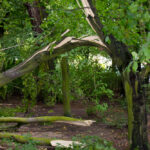
- Cracks or splits in major limbs or at the trunk union.
- Dead or hanging branches in the upper canopy.
- Visible fungal growth or large conks on the trunk.
- Leaning trees or soil heaving at the base after heavy rain.
- Branches that rub together or press against structures and power lines.
How Neglect Leads to Costly Damage
Unchecked problems compound. A small dead limb becomes a large limb that falls on gutters or cars during high winds. Root decay can shift sidewalks and damage foundations. Trees growing too close to roofs invite moisture and pest problems that lead to rot and expensive repairs. In many cases, what begins as an aesthetic issue becomes a structural and safety liability.
Seasonal and Storm Risks
Seattle-area storms, ice, and wind create an acute risk for neglected trees. Heavy snowfall and ice load increase limb weight; saturated soil reduces root grip. Trees with prior structural weaknesses are far more likely to fail during these events, causing the most expensive and dangerous damage.
Practical Trimming & Maintenance Steps
Here are practical trimming and maintenance steps homeowners can take:
- Remove deadwood and thin crowded branches to reduce wind resistance.
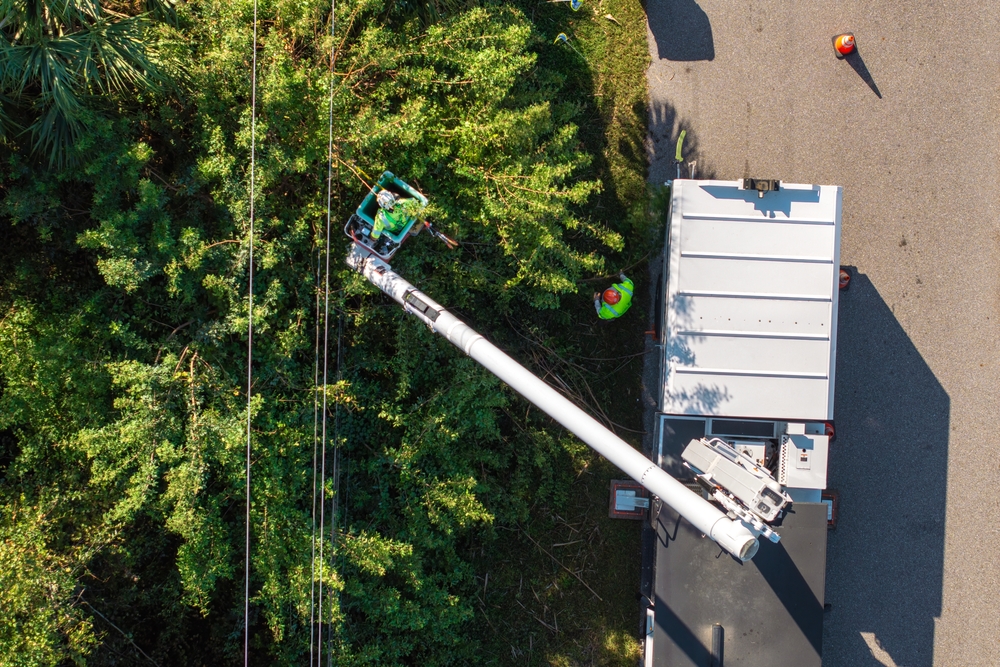
- Prune back branches at least 10–15 feet from structures and power lines (leave power-line work to professionals).
- Trim suckers and water sprouts to redirect growth and reduce weight.
- Keep mulch away from the trunk to avoid rot.
- Monitor trees after storms for fresh cracks or root heave and call a pro if you see a change.
When to Call a Certified Arborist
If you find large structural cracks, root exposure near foundations, significant lean appearing over months, or mushrooms at the base, contact a certified arborist. Also, call professionals for any work near power lines, major branch removals, or when tree removal in Bellevue, WA, is likely. These jobs require equipment and expertise to be done safely.
Cost Considerations and Insurance Notes
Trimming small branches is inexpensive; major canopy work, emergency removals, and crane-assisted removals cost more. Document maintenance and take photos. Insurance companies often look for proof of regular upkeep when evaluating storm-related claims.
Conclusion
Ignoring tree maintenance might save time now, but it risks expensive property damage later. Regular trimming, seasonal checks, and prompt attention to warning signs protect your home, landscape, and safety. Arborist services in Bellevue, WA, can prevent a far larger bill after the next storm.
Protect your property. Call Cascade Tree Services at 425-310-9130 to schedule an inspection and professional tree care in Bellevue, WA, before small issues become major damage.
FAQs
1. How often should I schedule professional tree trimming in Bellevue, WA?
Most healthy shade trees in Bellevue, WA, benefit from pruning every 3–5 years. High-risk or fast-growing species may need annual attention.
2. Will trimming reduce my tree’s chance of falling in a storm?
Proper structural pruning and deadwood removal significantly reduce limb failure risk, though extreme weather can still cause failures.
3. Can I trim branches near power lines myself?
No, any branches near power lines should be handled only by trained professionals with utility coordination to avoid electrocution and service disruption.
4. Are there permits required for large tree removals in Bellevue, WA?
Some significant removals, especially of heritage or protected trees, may require city permits. A local arborist can advise and help obtain necessary approvals in Bellevue, WA.