
If you search for tree disease treatment in Bellevue, WA, you will find that early detection makes the difference between saving a valuable tree and paying for costly removal or property repairs. Trees hide illness well at first. A few discolored leaves or a slow-growing limb may not seem urgent, but those small symptoms often mark the start of a larger problem. Local pros from Cascade Tree Services recommend homeowners learn the common warning signs so they can call for a tree inspection before it’s too late.
Why Early Tree Disease Treatment Matters
Trees are long-term investments in property value, shade, and curb appeal. Disease left unchecked can spread to nearby trees, attract pests, or weaken branches until they fall during storms, causing damage to roofs, cars, or utilities. Early treatment is usually far less expensive than emergency tree removal and helps preserve the neighborhood canopy.
Common Warning Signs You Shouldn’t Ignore
Catching the disease early often means a targeted treatment is possible instead of a full removal.
- Unusual leaf discoloration or early leaf drop: Look for blotches, spots, or yellowing that starts in one area and spreads.
- Dieback of branch tips: Branches that brown back from the tip often indicate vascular disease or root issues.
- Cankers, lesions, or sunken bark: Visible wounds on trunks can be entry points for fungi and bacteria.
- Mushrooms or fungal fruiting bodies at the base: These often signal root rot or internal decay.
- Loose or shedding bark and visible wood decay: Hollow or softwood under the bark means structural weakness.
- Excessive sap, oozing, or sticky residue: It can indicate insect infestations carrying pathogens.
- Abnormal epicormic shoots (sucker growth) on trunk: Trees under stress sometimes produce dense new shoots as a last-ditch response.
- Persistent pest presence: Boring holes, sawdust (frass), or galleries under bark often accompany disease.
How Diseases Spread and What Makes Trees Vulnerable
Fungal spores, bacteria, and some viruses spread through wind, water, contaminated tools, or insect vectors. Trees stressed by drought, compacted soil, mechanical injury, or poor planting siting are far more susceptible. Regular care from a certified arborist reduces vulnerability. Preventive programs like pruning and soil care form the backbone of professional tree care in Bellevue, WA.
Diagnosis: What a Pro Will Check
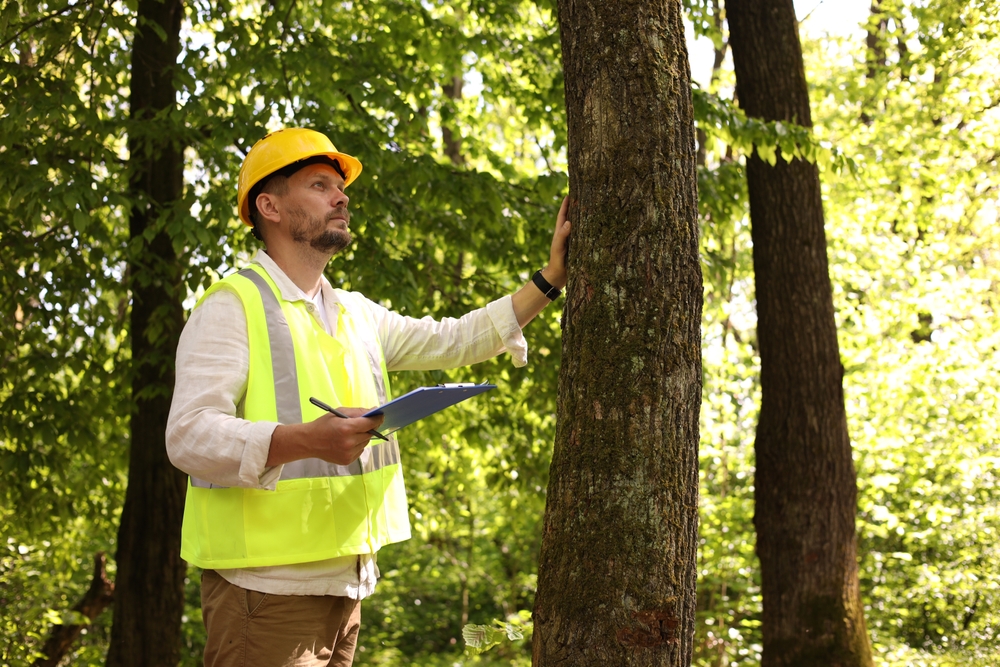
A qualified arborist will examine leaves, bark, roots, and overall structure; sample suspicious tissue if needed; and recommend lab testing when the cause isn’t visually clear. For many homeowners, an arborist service in Bellevue, WA, identifies problems that are not obvious from the yard alone.
Typical Treatments and When They Work
Here are the typical treatment options to consider.
- Pruning infected limbs to remove disease sources (effective early).
- Targeted fungicide or bactericide applications when appropriate.
- Soil amendments, aeration, and root health improvement for stressed trees.
- Insect control when pests spread or worsen disease.
- Structural cabling or bracing for valuable trees with partial decay.
A timely tree pruning service in Bellevue, WA, can both remove diseased tissue and restore airflow, reducing fungal growth.
When Removal Becomes Necessary
If the trunk or root system shows advanced decay, or the tree poses an imminent hazard to people or property, removal may be the safest option. When removal is needed, hire professionals trained in safe tree removal in Bellevue, WA, to limit collateral damage and plan for proper stump treatment or replanting.
Preventive Steps Homeowners Can Take
- Schedule regular visual checks and a professional tree inspection in Bellevue, WA, after storms.
- Keep soil healthy. Mulch properly and avoid compaction around root zones.
- Don’t prune in wet conditions to reduce pathogen spread; disinfect tools between trees.
- Water deeply during dry spells and avoid over-fertilizing, which can stress trees.
- Plant species suited to Bellevue’s climate and soil to reduce long-term disease risk.
Conclusion
Tree disease often begins with subtle signals. Learning to spot those early signs and calling in professional help quickly, whether for targeted treatment, pruning, or safe removal, protects your landscape and your pocketbook. Early action preserves valuable trees and prevents the chain reaction of pest spread and structural failure.
Contact Cascade Tree Services at 425-310-9130 to request a tree inspection or to schedule treatments from our certified arborists.
FAQs
1. What does a tree inspection in Bellevue, WA, include?
A professional inspection assesses crown health, trunk condition, root zone, signs of pests or fungi, and structural hazards. The arborist in Bellevue, WA, may recommend lab tests or a treatment plan based on findings.
2. Can diseased trees be saved, or will they always need removal?
Many infections and infestations can be treated if caught early. Treatment depends on disease type, tree species, and overall tree health; an arborist will advise on likely outcomes.
3. How quickly should I act after spotting mushrooms or fungal growth near a tree?
Mushrooms often indicate internal decay. Schedule a tree inspection promptly — the slower you act, the greater the chance of structural failure and spread to nearby trees.
4. Are chemical treatments safe for trees and yard use in Bellevue, WA?
When applied by licensed arborists in Bellevue, WA, targeted treatments are safe and minimize environmental impact. Your arborist can discuss alternatives if you prefer low-toxicity approaches.