Warning Signs You Need Tree Disease Treatment
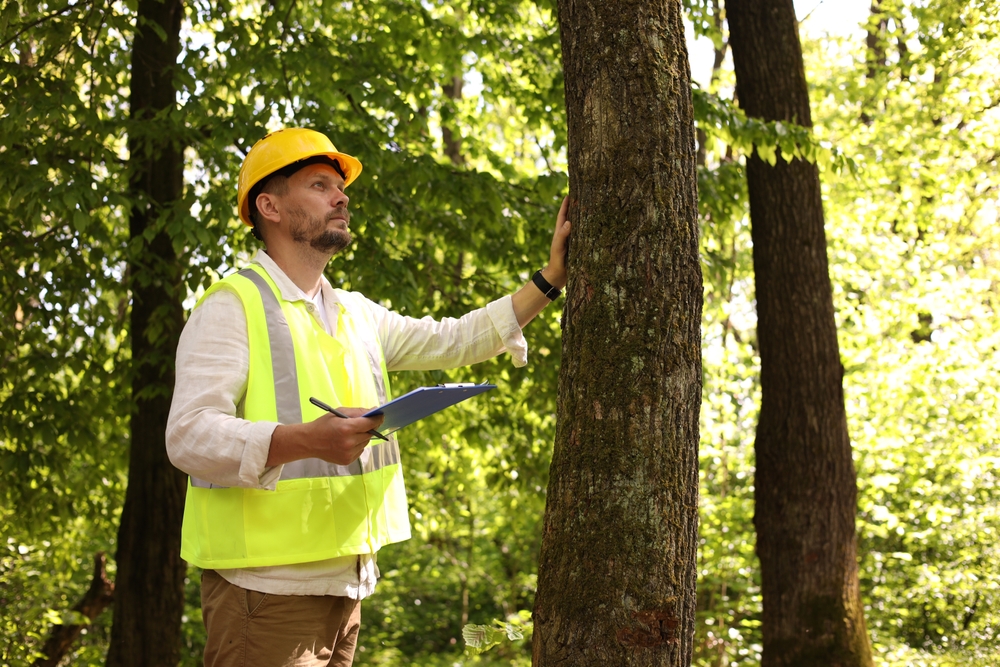
If you search for tree disease treatment in Bellevue, WA, you will find that early detection makes the difference between saving a valuable tree and paying for costly removal or property repairs. Trees hide illness well at first. A few discolored leaves or a slow-growing limb may not seem urgent, but those small symptoms often mark the start of a larger problem. Local pros from Cascade Tree Services recommend homeowners learn the common warning signs so they can call for a tree inspection before it’s too late. Why Early Tree Disease Treatment Matters Trees are long-term investments in property value, shade, and curb appeal. Disease left unchecked can spread to nearby trees, attract pests, or weaken branches until they fall during storms, causing damage to roofs, cars, or utilities. Early treatment is usually far less expensive than emergency tree removal and helps preserve the neighborhood canopy. Common Warning Signs You Shouldn’t Ignore Catching the disease early often means a targeted treatment is possible instead of a full removal. How Diseases Spread and What Makes Trees Vulnerable Fungal spores, bacteria, and some viruses spread through wind, water, contaminated tools, or insect vectors. Trees stressed by drought, compacted soil, mechanical injury, or poor planting siting are far more susceptible. Regular care from a certified arborist reduces vulnerability. Preventive programs like pruning and soil care form the backbone of professional tree care in Bellevue, WA. Diagnosis: What a Pro Will Check A qualified arborist will examine leaves, bark, roots, and overall structure; sample suspicious tissue if needed; and recommend lab testing when the cause isn’t visually clear. For many homeowners, an arborist service in Bellevue, WA, identifies problems that are not obvious from the yard alone. Typical Treatments and When They Work Here are the typical treatment options to consider. A timely tree pruning service in Bellevue, WA, can both remove diseased tissue and restore airflow, reducing fungal growth. When Removal Becomes Necessary If the trunk or root system shows advanced decay, or the tree poses an imminent hazard to people or property, removal may be the safest option. When removal is needed, hire professionals trained in safe tree removal in Bellevue, WA, to limit collateral damage and plan for proper stump treatment or replanting. Preventive Steps Homeowners Can Take Conclusion Tree disease often begins with subtle signals. Learning to spot those early signs and calling in professional help quickly, whether for targeted treatment, pruning, or safe removal, protects your landscape and your pocketbook. Early action preserves valuable trees and prevents the chain reaction of pest spread and structural failure. Contact Cascade Tree Services at 425-310-9130 to request a tree inspection or to schedule treatments from our certified arborists. FAQs 1. What does a tree inspection in Bellevue, WA, include?A professional inspection assesses crown health, trunk condition, root zone, signs of pests or fungi, and structural hazards. The arborist in Bellevue, WA, may recommend lab tests or a treatment plan based on findings. 2. Can diseased trees be saved, or will they always need removal?Many infections and infestations can be treated if caught early. Treatment depends on disease type, tree species, and overall tree health; an arborist will advise on likely outcomes. 3. How quickly should I act after spotting mushrooms or fungal growth near a tree?Mushrooms often indicate internal decay. Schedule a tree inspection promptly — the slower you act, the greater the chance of structural failure and spread to nearby trees. 4. Are chemical treatments safe for trees and yard use in Bellevue, WA?When applied by licensed arborists in Bellevue, WA, targeted treatments are safe and minimize environmental impact. Your arborist can discuss alternatives if you prefer low-toxicity approaches.
Tree Trimming Service: How Neglected Trees Lead to Costly Property Damage
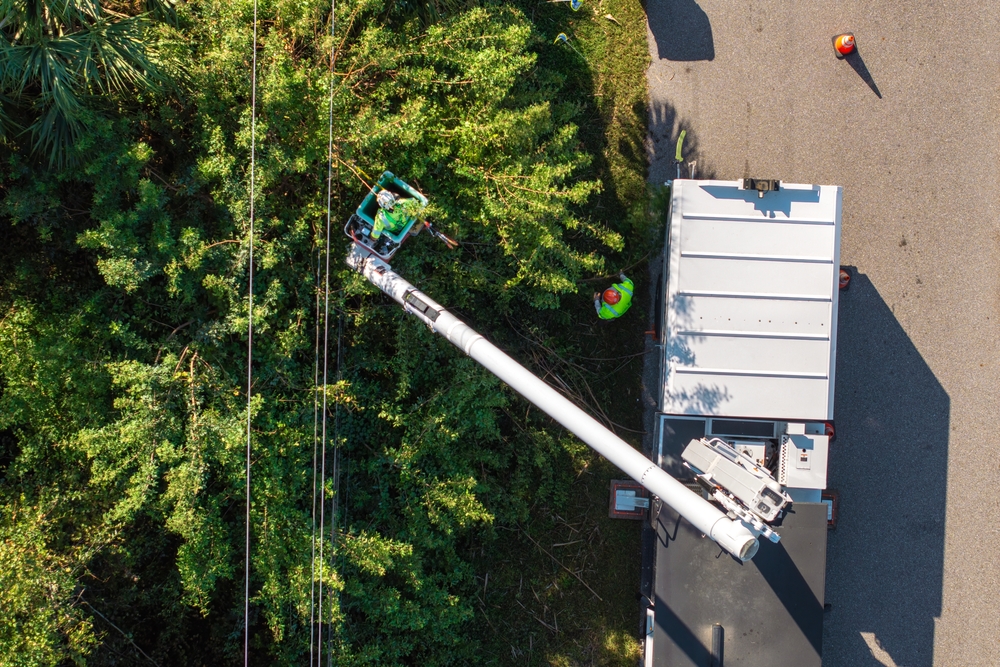
A tree trimming service in Bellevue, WA, is more than curb appeal. It’s proactive property protection. Overgrown or poorly maintained trees create hazards that often escalate slowly: cracked limbs, tangled branches near power lines, and root systems that undermine foundations. Addressing tree health before a problem becomes an emergency saves money and reduces risk. At Cascade Tree Services, our crews commonly find that minor tree pruning in Bellevue, WA, missed for a season turns into major cleanup after storms. Below is a practical guide that explains how neglected trees cause damage and what homeowners should watch for. Why Routine Tree Care Matters Trees are living structures that respond to stress, disease, and weather. Routine trimming controls weight distribution, removes weak or dead wood, and improves wind passage through the canopy. Without it, trees are more likely to lose large limbs, split at the trunk, or uproot, all of which can damage roofs, fences, vehicles, and underground utilities. Early Warning Signs Homeowners Often Miss Here are the warning signs homeowners need to know: How Neglect Leads to Costly Damage Unchecked problems compound. A small dead limb becomes a large limb that falls on gutters or cars during high winds. Root decay can shift sidewalks and damage foundations. Trees growing too close to roofs invite moisture and pest problems that lead to rot and expensive repairs. In many cases, what begins as an aesthetic issue becomes a structural and safety liability. Seasonal and Storm Risks Seattle-area storms, ice, and wind create an acute risk for neglected trees. Heavy snowfall and ice load increase limb weight; saturated soil reduces root grip. Trees with prior structural weaknesses are far more likely to fail during these events, causing the most expensive and dangerous damage. Practical Trimming & Maintenance Steps Here are practical trimming and maintenance steps homeowners can take: When to Call a Certified Arborist If you find large structural cracks, root exposure near foundations, significant lean appearing over months, or mushrooms at the base, contact a certified arborist. Also, call professionals for any work near power lines, major branch removals, or when tree removal in Bellevue, WA, is likely. These jobs require equipment and expertise to be done safely. Cost Considerations and Insurance Notes Trimming small branches is inexpensive; major canopy work, emergency removals, and crane-assisted removals cost more. Document maintenance and take photos. Insurance companies often look for proof of regular upkeep when evaluating storm-related claims. Conclusion Ignoring tree maintenance might save time now, but it risks expensive property damage later. Regular trimming, seasonal checks, and prompt attention to warning signs protect your home, landscape, and safety. Arborist services in Bellevue, WA, can prevent a far larger bill after the next storm. Protect your property. Call Cascade Tree Services at 425-310-9130 to schedule an inspection and professional tree care in Bellevue, WA, before small issues become major damage. FAQs 1. How often should I schedule professional tree trimming in Bellevue, WA?Most healthy shade trees in Bellevue, WA, benefit from pruning every 3–5 years. High-risk or fast-growing species may need annual attention. 2. Will trimming reduce my tree’s chance of falling in a storm?Proper structural pruning and deadwood removal significantly reduce limb failure risk, though extreme weather can still cause failures. 3. Can I trim branches near power lines myself?No, any branches near power lines should be handled only by trained professionals with utility coordination to avoid electrocution and service disruption. 4. Are there permits required for large tree removals in Bellevue, WA?Some significant removals, especially of heritage or protected trees, may require city permits. A local arborist can advise and help obtain necessary approvals in Bellevue, WA.
Common Tree Problems Caused by Poor Pruning
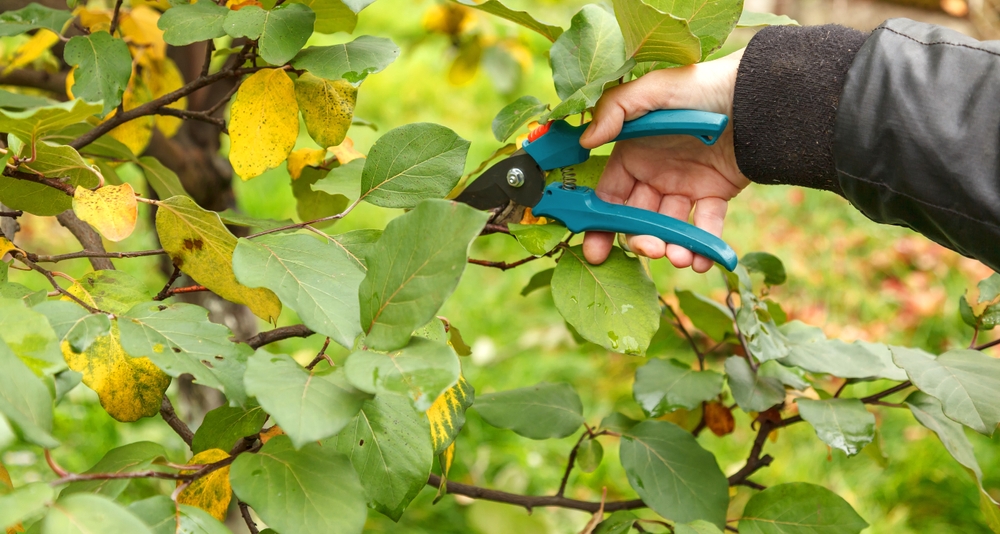
When homeowners search for tree pruning in Bellevue, WA, they often expect a quick trim to tidy up branches. But improper pruning techniques can create a raft of problems that show up months or even years later, from disease and decay to dangerous structural weakness. Experienced arborists spot these mistakes early and can correct them before they become costly or unsafe. At Cascade Tree Services, our climbers regularly see well-intentioned pruning leave behind issues that are entirely preventable. Below is a homeowner-friendly explanation of the most common problems, why they matter, and what to do about them. Why Proper Pruning Techniques Matter Pruning is more than cutting branches. Good pruning preserves a tree’s natural shape, directs growth, prevents decay, and maintains structural strength. Poor cuts, too close to the trunk, at the wrong angle, or removing too much canopy at once, can interrupt the tree’s healing process, invite pests and pathogens, and create stress that reduces vigor over time. Before the list below, note this: even small pruning errors compound over seasons and can turn inexpensive fixes into major removals. Common Problems Caused by Improper Pruning Here are common problems that improper pruning can cause. How to Fix and Prevent These Problems Learn how to prevent and fix these problems. When to Call a Professional Here’s when to call a professional for pruning. Conclusion Improper tree pruning may look harmless at first, but the long-term consequences range from poor health and unsightly regrowth to serious safety hazards. Thoughtful, species-aware tree care service in Bellevue, WA, preserves tree health, improves safety, and protects property value. If you suspect past pruning mistakes or need a safe, expert trim, contact our team at Cascade Tree Services at 425-310-9130 to schedule a corrective tree pruning in Bellevue, WA. FAQs 1. What immediate signs tell me a pruning job was done incorrectly in Bellevue, WA?Look for large stubs, rapid sprouting of weak shoots, visible decay at cut sites, and newly unbalanced canopies. These are red flags that need an expert in Bellevue, WA. 2. How soon can a tree show decline after poor pruning in Bellevue, WA?Some trees react within months (epicormic sprouting or dieback); others may show slow decline over several years as decay and structural weaknesses develop in Bellevue, WA. 3. Will wound paint or sealants help a bad cut heal?Most arborists advise against wound paint for hardwood trees. Clean, proper cuts and time allow natural compartmentalization; sealants can trap moisture and pathogens. 4. Can pruning mistakes be reversed?Many issues can be mitigated with targeted follow-up pruning, cabling for structural support, and regular monitoring; in extreme cases, removal may be safer.
5 Smart Reasons You Should Schedule Professional Tree Pruning Before Spring Growth
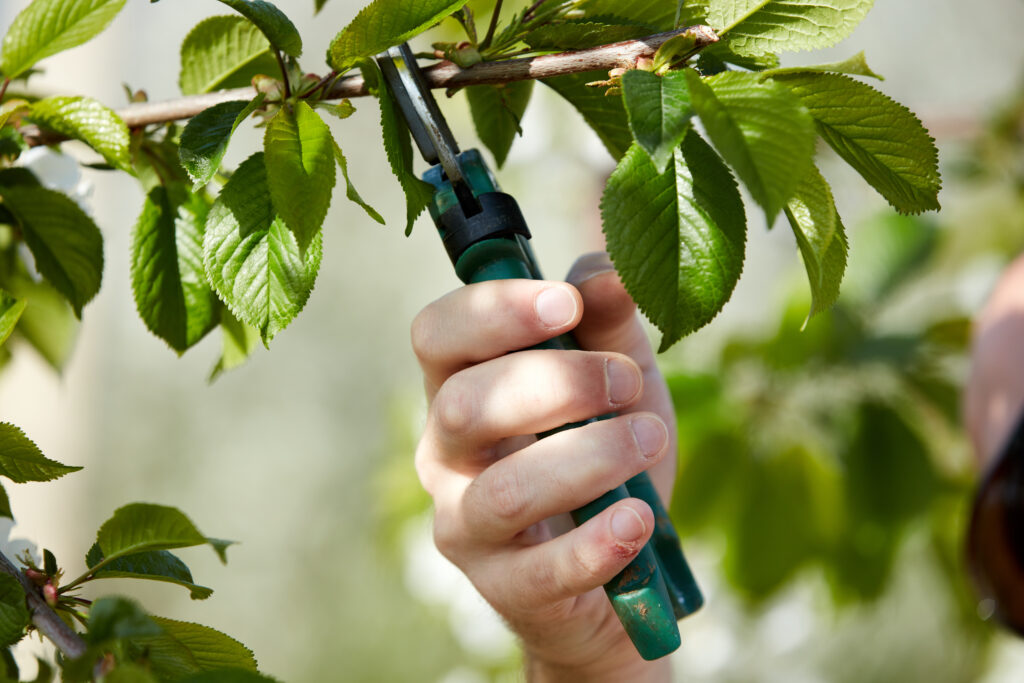
Introduction Healthy trees make any property look really great. They give us shade and increase the value of our property. Healthy trees need care every year to stay healthy. Many homeowners do not think that regular pruning is important until the branches of trees grow too much or become a danger to people. Working with a tree pruning company in Redmond, WA, makes sure that your trees stay strong, look good, and are safe for your home and your family. These professionals, called arborists, know how different trees grow, how to stop diseases from spreading, and when to prune trees for the results. Pruning trees on purpose does a lot more than just make them look better. It makes trees stronger and keeps your property safe. Pruning trees helps them grow well over time. Trees need pruning to stay healthy and look their best, and regular pruning helps prevent problems with trees. A professional tree pruning company can help you take care of your trees and make sure that your trees are healthy and safe. 5 Smart Reasons to Prune Trees Before Spring Growth 1. Helps Trees Grow Stronger and Healthier When you prune your trees, they grow in a balanced and healthy way. If you remove the sick branches, the good parts of the tree get the nutrients they need. This also helps the air move around the tree. The sunlight gets in, which stops fungus from growing and the tree from rotting. If you prune your trees regularly, they will have branches and will not get damaged as easily in storms. 2. Makes Your Property Safer If the branches of your trees are too long or damaged, they can be very dangerous. This is especially true when it is windy or stormy. Big branches that hang over your house, driveway, or power lines can cause problems. When a professional prunes your trees, they make your property safer. They look at the tree and decide which branches to cut or remove so that your tree is safe and still looks good. This way, you do not have to worry about branches breaking and causing accidents. 3. Your Home Looks Nice When You Take Care Of Your Trees When you take care of your trees, it makes a difference in how your yard looks. If your trees are all messy and have a lot of branches, it can make your home look like nobody is taking care of it. People will want to come and visit your home or even buy it. Your trees are a part of what makes your home look nice, from the outside, which is called curb appeal, and they also affect your property value. Your trees and your yard are important because they make your home look nice and increase the value of your home. 4. Stops Big Tree Problems From Happening If you do not take care of your trees, you will have to spend a lot of money to fix them later. When trees have branches or get sick, they can become weak, and you might have to cut them down completely if you do not do anything about it. People who are looking for tree removal costs in Bellevue, WA, usually find out that it would have been cheaper to trim their trees. Taking care of your trees all the time keeps them healthy. You will not have to pay for expensive emergency help. 5. Helps With Tree Care During Seasons You have to take care of your trees in different ways during different seasons. Usually, it is an idea to trim trees in late winter or early spring because they are not growing yet. Professional services for tree trimming in Redmond, WA, make sure that your trees are trimmed at the right time and in the right way. This helps your trees get better quickly and grow well throughout the year. Tree trimming is a part of tree care, and it helps your trees stay healthy. Trees are a long-term investment in your property, and proper pruning is essential to protect that investment. From improving safety and encouraging healthy growth to enhancing curb appeal, professional tree care offers benefits that go far beyond aesthetics. Regular maintenance ensures your trees remain strong, beautiful, and resilient for decades to come. Conclusion If your trees need expert attention, trust the experienced team at Cascade Tree Services. Our professional arborists provide reliable pruning, trimming, and maintenance to keep your landscape healthy and safe. Call Cascade Tree Services today at 425-530-9697 to schedule your tree care consultation and give your trees the expert care they deserve. FAQs 1. How do I find a tree pruning company in Redmond, WA? Look for a company with experts who have great reviews from locals. The expert tree pruning company in Redmond, WA, knows how to prune them and when to do it. 2. How often should I get tree trimming in Redmond, WA, done? Large trees need pruning every 3 to 5 years. Smaller trees may need frequent pruning to grow well. Some trees grow fast and need regular pruning. 3. What is the difference between tree pruning and tree trimming in Redmond, WA? Tree trimming makes your tree look good. Tree pruning makes your tree healthy by removing broken branches. You need both to keep your tree healthy and looking good. 4. What affects the tree removal cost in Bellevue, WA? The cost depends on tree size, location and accessibility. If a tree is near your house or power lines, removal is more expensive because it requires equipment and more work. Expert Pruning for Stronger, Safer Growth.
5 Important Signs It’s Time for Tree Removal from Your Property
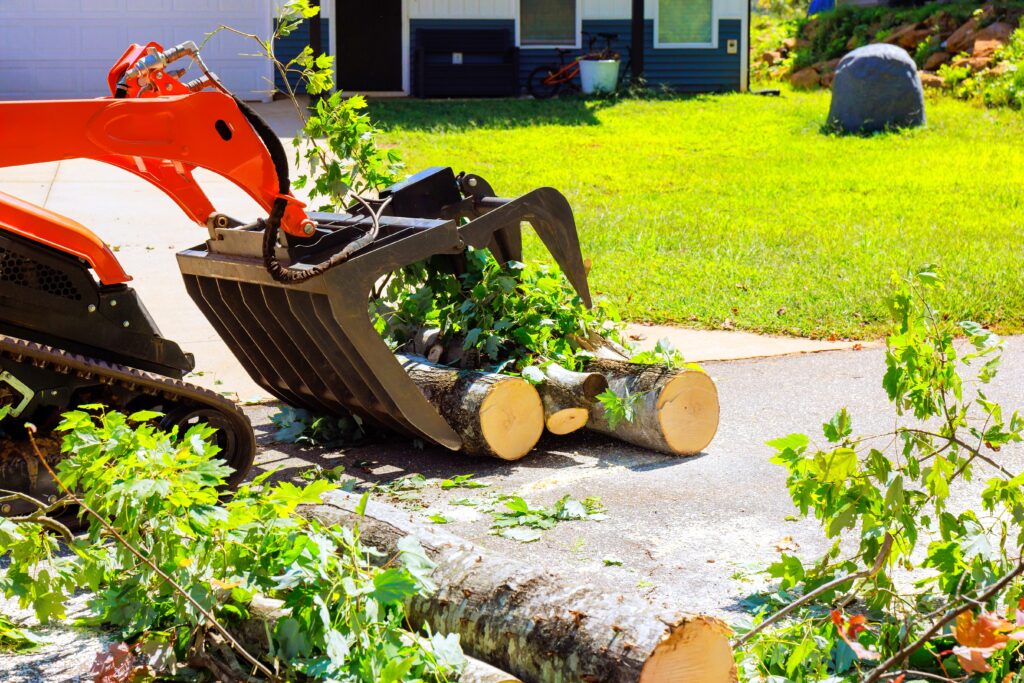
Introduction Trees are truly lovely because they add beauty and provide shade to any property. They can also increase the value of your property. At times, trees can be more of a problem than something. This occurs when one does not recognize the signs that a tree is not okay or might fall over. Many people are worried about their trees. This is mainly due to the reasons that their trees got damaged during a storm, or the trees are just old. Old trees can be a problem for the power lines around the houses. Knowing when tree removal in Bellevue, WA, can save you money on repairs. We will discuss the signs of a tree. This will give you useful tips on what to do regarding your trees. 5 Signs It’s Time to Remove a Tree from Your Yard 1. Visible Signs of Tree Disease A tree that’s sick will show signs that something is wrong if you take the time to look. You might see leaves that’re not the right color. You might see growths on the tree bark that are peeling off. You might even see fungus growing near the trunk of the tree. These things can be a sign that the tree disease is causing the tree to rot on the inside or that it has caused an infection that is making the tree weak. If you do not pay attention to these signs of tree disease, you might be letting it spread to plants and trees that are close by. If you notice these signs, you can try to decide if the tree should be removed. 2. Structural Damage After Storms Big storms can hurt the strongest trees. The wind can be very strong, and the rain can be very heavy. The snow can be very deep, and this can cause the trunk of the tree to crack, the branches to split, or the roots to become unstable. Some damage might not look so bad. It can still cause problems with the tree’s structure over time. It is an idea to have a professional look at your trees after a big storm to see if there is any damage that you cannot see. They can tell you if the tree is okay or if it needs to be removed so that it does not fall and hurt someone. Tree disease and structural damage are issues that need to be addressed to keep people safe and to keep the trees healthy. 3. Leaning Trees and Root Problem A tree that leans all of a sudden is a big warning sign that they have a problem with their roots. The roots of the leaning trees may have been hurt by building work, soil washing away, or water problems that have lasted a long time. When the roots are not stable, the whole tree can be very dangerous. If you see roots of the trees that are exposed or the soil near the base of the tree is getting pushed up, or are leaning more and more, you should get a professional who takes care of trees to come and look at them before things get even worse. 4. Overcrowding and Property Safety Sometimes trees just get too big for where they are. When large trees are planted close to houses, fences, or driveways, they can cause problems with the structure over time. The roots of the trees may damage the foundation of the house or the pipes underground, and the branches can get in the way of the roof and power lines. If you remove some of the trees, it can make space for the other trees to grow healthy and strong, and it can also make the whole area safer. A lot of homeowners also get tree maintenance services from tree maintenance services in Redmond, WA, to keep the trees healthy. 5. Dead Trees and Remaining Stumps When a tree is dead, it is pretty clear that it needs to be removed. A dead tree is not strong. Can break easily, which means branches can fall off or the whole tree can come down. After you remove a tree, you should also do something about the stump that is left. Old stumps can attract bugs, cause people to trip, and get in the way of landscaping plans. Tree stump removal in Lynnwood, WA, can help homeowners get rid of these stumps and make the yard look nice again. Tree removal is sometimes necessary to keep people safe, protect property, and keep the landscape healthy. If you notice problems with your trees, such as disease, damage to the structural roots that are not stable, overcrowding, or dead trees, you can do something about it before it gets serious. It is an idea to work with people who have experience with tree removal because they can do the job safely and quickly without hurting the environment around it. If you think one of your trees might be unsafe or not healthy, do not wait for it to get worse. Look at your trees and give you good solutions to keep your landscape safe and beautiful. Conclusaion Call Cascade Tree Services at 425-530-9697 today to schedule a time for them to come and look at your trees or talk to them about what you need to do to take care of your trees with experts who live nearby. FAQs 1. How do I know if I need tree removal in Bellevue, WA, from my property? There are a few things to look out for. If you see cracks in the trunk or hollow areas, that is not good. Also, if the tree is leaning suddenly or has dead branches, that is a problem. If the roots of the tree are damaged, that is bad too. If the tree is close to your house or power lines, you should get an arborist to take a look at it right away. They can figure out if the tree needs to
How Tree Stump Removal Can Improve Lawn Maintenance and Growth
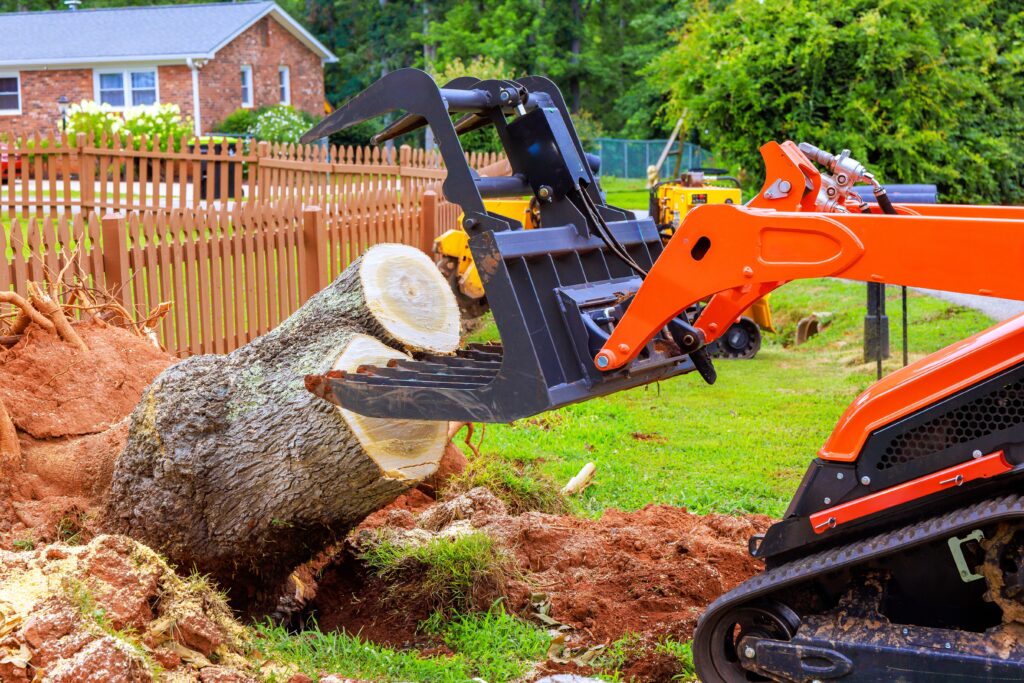
Introduction Leftover stumps often appear harmless after tree cutting, yet they quietly disrupt lawn health and soil balance. Decaying wood attracts insects, reduces planting space, and disrupts mowing patterns. Property owners exploring tree stump removal in Bothell, WA, often seek more than visual improvement. They aim to correct underground obstacles that block grass expansion and nutrient distribution. Removing stumps opens space for uniform turf development and simplifies routine maintenance tasks. A healthy lawn depends on consistent soil structure, root access, and proper grading. When a stump remains in place, it alters moisture retention and restricts nearby plant growth. Drawing on Cascade Tree Services’ field experience, targeted removal improves drainage and restores surface leveling. These adjustments contribute directly to thicker, more consistent grass coverage. How Stump Removal Improves Lawn Health & Growth 1. Eliminating Competition for Nutrients A decaying stump continues to draw nutrients from the surrounding soil as microorganisms break down wood fibers. This biological process consumes nitrogen that grass requires for vibrant growth. As microbes digest the stump, nearby turf may thin or develop yellow patches. Removing the stump stops this nutrient diversion and allows grass roots to access available minerals. Open soil also supports new seed germination without interference from woody debris. Fresh topsoil can replace the ground material left after grinding. Lawn treatments absorb evenly once the obstruction disappears. Balanced nutrient distribution promotes stronger and denser turf coverage. 2. Improving Soil Structure and Drainage Stumps disrupt the natural contour of a lawn. Rainwater often collects around the base, creating soggy pockets that weaken grass roots. Grinding and clearing the stump restores grade consistency across the yard. Even ground reduces standing water and supports uniform absorption. Healthy drainage allows oxygen to circulate through the soil profile. Grass roots rely on this airflow to maintain strength and resist disease. Removing compacted wood fibers promotes a healthier microbial balance in the surrounding soil. These changes create a stable base for long-term lawn performance. 3. Reducing Pest Activity and Lawn Damage Old stumps attract termites, beetles, ants, and fungi. Once these pests settle into decaying wood, they may migrate into nearby landscaping or structures. Lawn areas surrounding infested stumps often decline due to root disturbance and soil disruption. Removing the source of infestation limits insect habitat and fungal spread. Property owners who combine stump removal with routine tree trimming in Bellevue, WA, reduce canopy debris that feeds decay cycles. Less organic buildup lowers the chance of pest recurrence. Cleaner ground conditions protect both turf and adjacent plantings. This preventive step contributes to a more stable outdoor environment. 4. Expanding Usable Lawn Space A protruding stump restricts mowing patterns and creates safety concerns. Lawn equipment operators must maneuver around obstacles, leading to uneven cuts. Removing the stump frees up continuous mowing paths and reduces equipment wear. Smooth ground also reduces the risk of tripping for children and guests. Cleared space allows new landscaping projects or reseeding efforts. Homeowners can redesign planting beds or expand grass coverage without obstruction. Services such as tree root removal in Redmond, WA, further eliminate underground barriers that restrict planting options. Expanded usability transforms the yard into a more practical and visually appealing area. 5. Supporting Long-Term Turf Regeneration After stump grinding, soil conditioning becomes more effective. Aeration, fertilization, and overseeding treatments penetrate evenly without wood fragments blocking distribution. Grass roots spread naturally into reclaimed space. Strong root networks improve resilience during seasonal temperature shifts. Consistent lawn care produces visible improvements when underlying barriers no longer interfere. Healthy turf grows thicker and crowds out weeds. Over time, restored soil structure supports sustained regeneration. The lawn develops a uniform appearance, enhancing the overall property value. Conclusion Tree stumps disrupt more than landscape aesthetics. They interfere with nutrient flow, drainage patterns, and safe yard access. Removing them opens space for stronger grass growth and balanced soil conditions. Preventive action reduces pest activity and simplifies maintenance routines. A clear lawn surface supports healthier turf and a more functional outdoor setting. FAQs 1. How long does it take for grass to grow after stump grinding? Grass can begin establishing within a few weeks if you add quality topsoil and seed promptly. Growth speed depends on soil preparation, watering habits, and seasonal conditions. 2. Does stump removal improve overall lawn health in Bothell? Yes. Removing a stump in Bothell reduces nutrient competition, limits pest habitats, and improves soil structure. These changes support thicker turf and more consistent lawn maintenance. CTA: Transform your lawn with expert stump removal from Cascade Tree Services. Our industry-trained experts and responsive support team deliver proven results. Contact 425-530-9697 today to schedule your yard improvement service. Remove Unsightly Tree Stumps Today. The Role of Tree Stump Removal in Creating Space for New Landscaping Projects Seasonal Guide: The Best Time of Year for Tree Stump Removal Signs You Need Tree Stump Removal Sooner Than You Think
How Expert Tree Maintenance Services Can Prevent Storm Damage
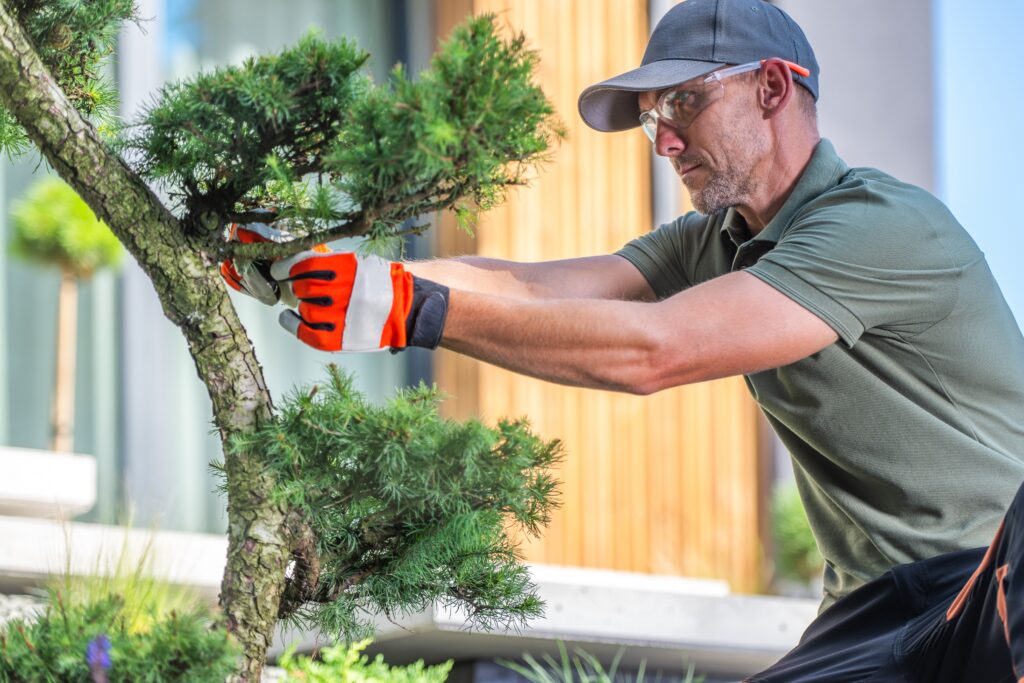
Introduction Storms test the structural limits of trees, especially in regions that experience heavy rainfall and high winds. Weak branch attachments, internal decay, and compacted soil often go unnoticed until extreme weather exposes them. Property owners who invest in tree maintenance services in Redmond, WA, gain technical evaluations that address structural faults before storms strike. Skilled arborists analyze canopy weight distribution, root anchorage, and limb integrity using field-based assessment methods. This strategic approach reduces the likelihood of sudden limb drop or complete tree failure during seasonal storms. Urban landscapes face additional pressure from restricted root zones, nearby structures, and utility lines. Insight from Cascade Tree Services highlights how preventive care corrects structural imbalances that increase wind vulnerability. Early action protects homes, vehicles, and pedestrians from avoidable hazards. Prevent Storm Damage With Expert Tree Maintenance 1. Structural Pruning Reduces Wind Resistance Wind moves through a tree canopy with significant force, especially when branches grow densely without directional guidance. Expert arborists perform structural pruning to thin overcrowded limbs and reduce sail effect. By selectively removing competing leaders and weak branch unions, they guide balanced growth patterns. This approach reduces drag and allows wind to pass through the canopy rather than pushing against it. Structural pruning also redistributes weight across the crown. When limbs grow unevenly, one side of the tree absorbs more stress during gusts. Balanced shaping minimizes torsion stress at the trunk base. Over time, this corrective method builds a stronger branch architecture that withstands seasonal storms. 2. Root Zone Management Strengthens Stability Healthy roots anchor trees against wind uplift. Soil compaction, poor drainage, and construction damage often limit root expansion. Arborists inspect soil density and aeration levels to restore oxygen flow in the root zone. They may recommend mulching strategies that regulate soil temperature and moisture retention. Stability improves when roots spread evenly instead of circling near the trunk. A professional evaluation identifies girdling roots and underground decay before visible decline occurs. Corrective measures support deeper anchorage and reduce the risk of uprooting. In storm conditions, a stable root system acts as the primary defense against tipping. 3. Hazard Limb Identification and Removal Deadwood and cracked limbs become projectiles during high winds. Arborists conduct canopy inspections to locate decay pockets, fungal growth, and structural splits. Early removal of compromised limbs limits debris during storms. This targeted intervention reduces the number of emergency situations caused by falling branches. Routine tree trimming in Redmond, WA, also addresses crossing limbs that rub and weaken attachment points. Removing friction points lowers the chance of breakage under pressure. Preventive limb management protects roofs, fences, and parked vehicles. Regular evaluations maintain tree integrity throughout changing weather cycles. 4. Cabling and Bracing for Structural Support Some mature trees possess historic or aesthetic value but develop weak unions as they age. Cabling and bracing systems provide supplemental support to reduce limb separation. Arborists install flexible steel cables between major limbs to distribute mechanical stress. These systems absorb movement during gusts without restricting natural sway. Bracing rods reinforce split trunks or codominant stems. When storms generate twisting forces, reinforced joints resist separation. This method preserves valuable trees while lowering risk to the surrounding property. Technical installation plays a critical role in stabilizing vulnerable specimens before peak storm seasons. 5. Preventive Removal and Site Risk Planning Not every tree can recover from severe structural decline. When decay penetrates the trunk core, removal prevents unpredictable failure. Arborists evaluate lean angle, cavity depth, and canopy dieback to determine risk level. Removing unstable trees before storm season protects structures and neighboring landscapes. After removal, stump grinding reduces trip hazards and prevents pest infestation. Services such as tree stump removal in Kirkland, WA, support clean site management and discourage regrowth that could destabilize soil. Strategic site planning also considers spacing for future plantings. Thoughtful decisions today reduce long-term storm exposure. Conclusion Storm damage rarely occurs without warning signs. Professional arborists detect subtle structural weaknesses before they escalate into threats to property. Strategic pruning, root care, and reinforcement systems strengthen trees against high winds and heavy rain. Proactive evaluation reduces emergency calls and unexpected repair costs. Investing in preventive maintenance builds a resilient landscape prepared for seasonal weather challenges. FAQs 1. How often should trees be inspected for storm risk in Redmond? Property owners in Redmond should schedule inspections at least once a year, ideally before storm season. Mature or previously damaged trees in Redmond may require more frequent evaluations to monitor structural changes and decay progression. 2. Can preventive pruning reduce insurance claims after storms? Yes. Regular structural pruning and hazard removal lowers the chance of falling limbs and property damage. Insurance providers often recognize proactive maintenance as a risk reduction measure. CTA: Protect your property before the next storm hits with expertly handled tree care from Cascade Tree Services. Get in touch with us at 425-530-9697 today for trusted, reliable service backed by proven experience and safety-focused solutions. Healthy trees, safer properties. Tailoring Tree Trimming Service Techniques to Every Season Sustainable Tree Trimming Practices for Eco Friendly Landscapes Common Tree Trimming Mistakes and How to Avoid Them
Common Mistakes Homeowners Make When Skipping Tree Stump Removal
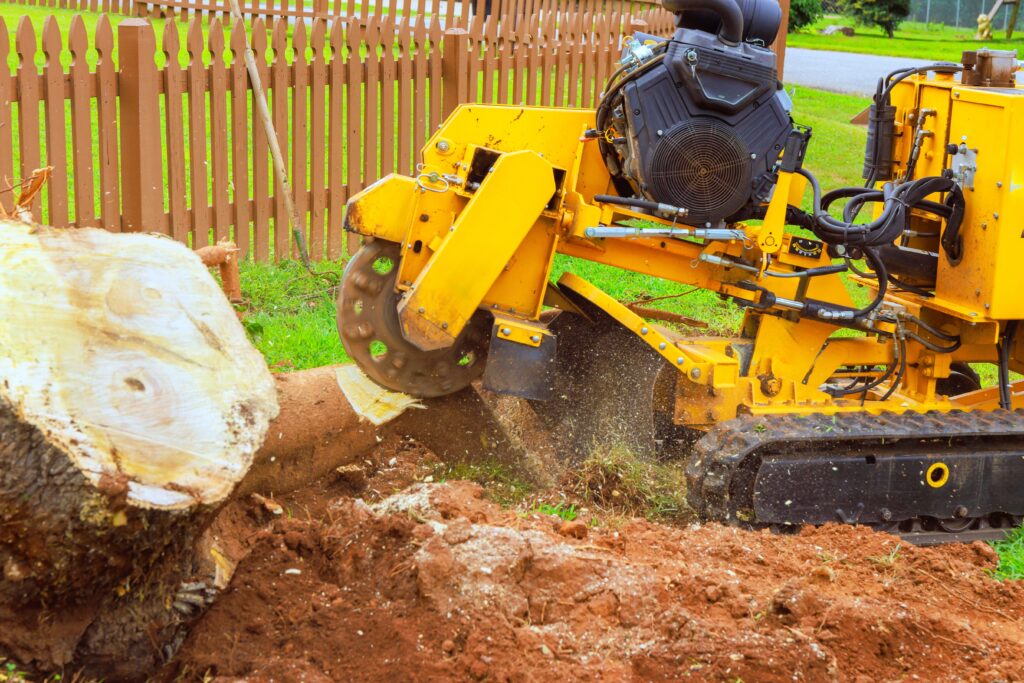
Introduction Tree stumps often remain after a tree is cut down, and many homeowners underestimate the problems they can cause. Leaving a stump behind may appear harmless, but it can pose safety hazards, attract pests, and create lawn maintenance challenges later. Tree stump removal in Bellevue, WA, is recommended to prevent these issues and maintain a healthy, functional landscape. Proper removal not only clears the yard but also supports surrounding trees and plants by reducing competition for nutrients. Homeowners sometimes avoid stump removal due to perceived cost, inconvenience, or lack of awareness of potential risks. Cascade Tree Services notes that overlooking a stump can lead to long-term complications that are far more expensive to address later. Their expertise shows that proper planning and removal techniques save time, money, and stress while enhancing property aesthetics and safety. Mistakes Homeowners Make Skipping Stump Removal 1. Ignoring Safety Hazards Around the Stump Unattended stumps can pose serious tripping hazards, especially for children or elderly individuals. Roots extending from the stump may also create uneven surfaces, increasing the risk of falls or injuries. In addition, stumps can interfere with lawn equipment, making mowing and landscaping more challenging. Professional tree and stump removal in Redmond, WA, highlights that prompt removal eliminates these safety concerns and provides a smooth, hazard-free yard. Proper removal keeps walkways, driveways, and recreational areas safer for everyone on the property. 2. Allowing Pest Infestations to Develop Tree stumps attract insects like ants, termites, and beetles that feed on decaying wood. These pests can spread to nearby trees, shrubs, or even the home’s foundation if left unchecked. Fungal growth and rot often develop in neglected stumps, further weakening surrounding soil and creating a breeding ground for pests. Tree removal in Kirkland, WA, experts note that timely stump removal reduces these risks and prevents costly pest damage while maintaining a healthy outdoor environment. 3. Hindering Lawn and Garden Growth Stumps occupy valuable space and block sunlight, water, and nutrients that grass, flowers, and other plants nearby need. Roots remaining from the stump may continue to draw moisture and nutrients, slowing the growth of surrounding vegetation. Lawn maintenance becomes more difficult as mowers and trimmers have to navigate around stumps. Removing the stump restores full access to the yard and supports even, healthy plant growth. Homeowners who skip removal often end up with uneven lawns and limited opportunities to expand their gardens. 4. Complicating Future Landscaping Projects Stumps left behind can interfere with new landscaping, patios, walkways, or fencing projects. Attempting to build around a stump can require additional work, specialized tools, and higher costs. Removing the stump in advance simplifies installation and design plans. Tree and stump clearing emphasizes that early removal is more efficient, saving time and effort during any landscape renovation. This proactive approach prevents future frustrations and project delays. 5. Increasing Long-Term Maintenance Costs Over time, decaying stumps can produce regrowth sprouts that require ongoing removal, adding labor and cost. The remaining roots can also damage underground pipes, irrigation systems, and other structures. Neglecting a stump can turn a simple problem into a recurring expense. Specialists in tree care services recommend full removal to avoid repeated treatments or repairs, ultimately saving homeowners money and maintaining yard health. Conclusion Skipping tree stump clearing can lead to safety hazards, pest infestations, slowed plant growth, and higher long-term costs. Prompt removal clears space for landscaping, prevents accidents, and protects surrounding vegetation. Professional teams provide the tools and expertise to complete the job safely and efficiently. Homeowners benefit from smoother lawn maintenance and improved property aesthetics. Taking action early ensures a healthy, functional, and attractive yard for years to come. FAQs 1. How long after tree cutting should stumps be removed in Bellevue? In Bellevue, stumps should be removed as soon as possible after cutting to prevent pest infestations, regrowth, and landscape hazards. 2. Can leaving a stump behind damage nearby trees or plants? Yes, remaining stumps compete for nutrients and water, which can hinder the growth of surrounding trees, grass, and garden plants. CTA: Protect your property and yard with Cascade Tree Services. Known for consistent quality and guaranteed customer satisfaction, call us at 425-530-9697 today for expert tree stump removal and safe landscape care. Finish strong with stump removal. Seasonal Guide: The Best Time of Year for Tree Stump Removal Why Tree Stump Removal Is Important After Storm-Damaged Trees Signs You Need Tree Stump Removal Sooner Than You Think
How Tree Removal Service Experts Assess Risk Before Removing Trees
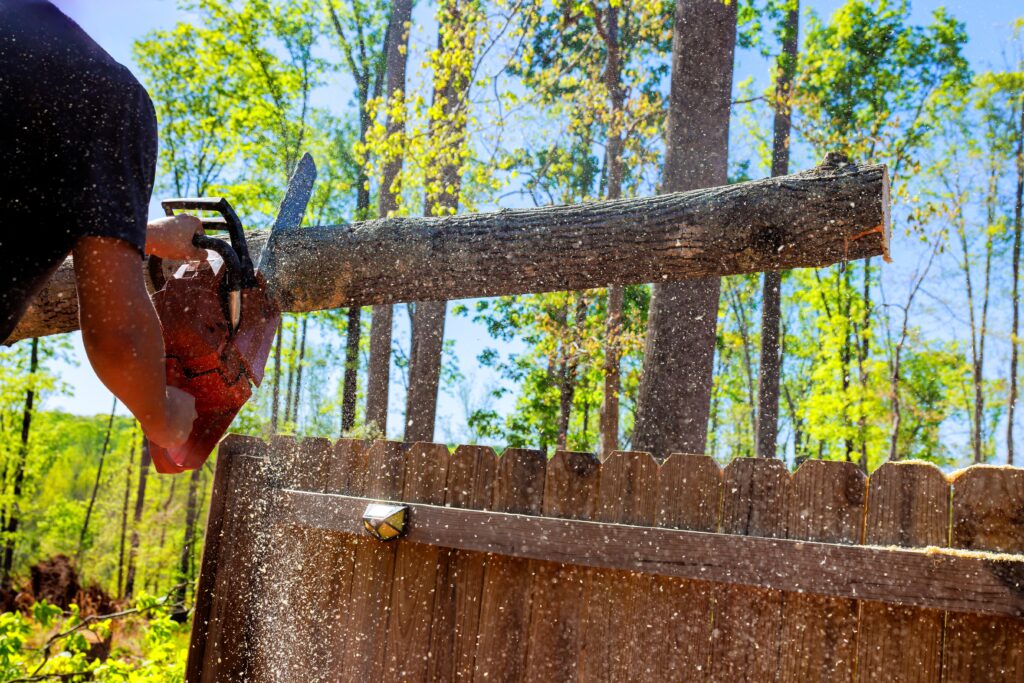
Introduction Trees provide beauty, shade, and environmental benefits, but when they become hazardous, they must be removed. Removing a tree without proper assessment can lead to property damage, injuries, or legal complications. Professionals in tree removal service in Redmond, WA, evaluate risks methodically to protect homes, businesses, and people. Their approach combines technical knowledge, site observation, and specialized tools to create a clear removal strategy before any cutting begins. Risk assessment begins with evaluating the tree’s condition, surroundings, and potential hazards. Cascade Tree Services applies expert knowledge to examine trunk integrity, root stability, and canopy structure. Location is also critical, including proximity to buildings, power lines, roads, or pedestrian areas. By identifying these factors early, Cascade Tree Services helps prevent accidents, streamline the removal process, and minimize disruption to the property. How Tree Experts Assess Risk Before Removal 1. Evaluating Tree Health and Structural Integrity A primary step in risk assessment is examining the tree’s health. Professionals look for decay, cracks, pest infestations, and disease that compromise stability. Dead or weakened branches and trunks are more likely to fall unexpectedly. In addition, arborists assess root health. Compromised roots can reduce support, making the tree more prone to tipping. Evaluating both aboveground and belowground structure helps experts develop a removal plan that addresses hazards safely and efficiently. This step reduces the chance of accidents during the removal process. 2. Analyzing the Surrounding Environment Tree cutting does not occur in isolation. Experts survey the surrounding area to identify potential obstacles. Structures, vehicles, landscaping, and utility lines all factor into the removal strategy. They also consider environmental conditions such as soil type, slope, and weather patterns. For instance, wet soil or strong winds can increase risk during cutting. By analyzing the environment, arborists determine the safest direction for tree felling or whether alternative techniques are necessary. 3. Planning Removal Techniques and Equipment After assessing tree health and the environment, professionals choose removal methods that limit risk. Options include sectioning the tree from top to bottom or controlled felling for smaller areas. Equipment selection, such as cranes, ropes, and chainsaws, depends on tree size and location. Safety procedures are integrated into the plan, including exclusion zones and protective gear. Technicians also coordinate team positions and communication protocols. This careful planning allows the removal to proceed smoothly and safely. 4. Mitigating Risks to Property and People One key goal is preventing damage and injuries. Experts use rigging techniques, guide ropes, and directional cutting to control tree movement. They also protect surrounding structures with padding or temporary barriers. Coordination with the property owner is crucial to avoid surprises. Signs, notifications, and temporary restrictions help keep people at a safe distance. Risk mitigation extends beyond removal to include cleanup and debris management, protecting both safety and aesthetics. 5. Complementary Services for Long-Term Tree Care After removal, professionals often provide services like tree removal in Bellevue, WA, or tree pruning to maintain nearby trees. Pruning and trimming reduce stress on surrounding trees and minimize future hazards. Regular maintenance also improves landscape health and keeps the property safe. Experts can offer advice on replacements, new plantings, and long-term monitoring strategies. This holistic approach ensures safety and preserves the landscape’s value. Conclusion Tree cutting requires careful planning, evaluation, and execution to avoid accidents. Assessing tree health, root stability, and surrounding conditions forms the foundation of a safe removal plan. Proper technique and equipment selection further reduce risk. Mitigating hazards protects property and people while maintaining efficiency. Integrating follow-up tree care enhances safety and extends the lifespan of the landscape. FAQs 1. How do tree-cutting experts in Redmond determine if a tree is dangerous? Tree-cutting experts in Redmond evaluate tree health, structural integrity, root stability, and surrounding hazards to create a safe removal plan. 2. Can a tree cutting assessment prevent property damage during cutting? Yes, careful analysis of tree condition and environment allows arborists to control felling, minimizing risk to buildings, vehicles, and landscaping. CTA: Are you looking for a reliable service for tree trimming in Bothell, WA? Look no further than our experts at Cascade Tree Services to protect your property. Call 425-530-9697 today to book your service! Safe removal, done right. Essential Tips for Best Tree Removal and Fire Safety: Complete Guide Residential Harmony: Best Tree Removal Practices for Homeowners The Importance of Tree Removal Permits and Regulations: Considerations
Tree Removal Contractors: Why Certified Arborists Matter for Commercial Tree Services
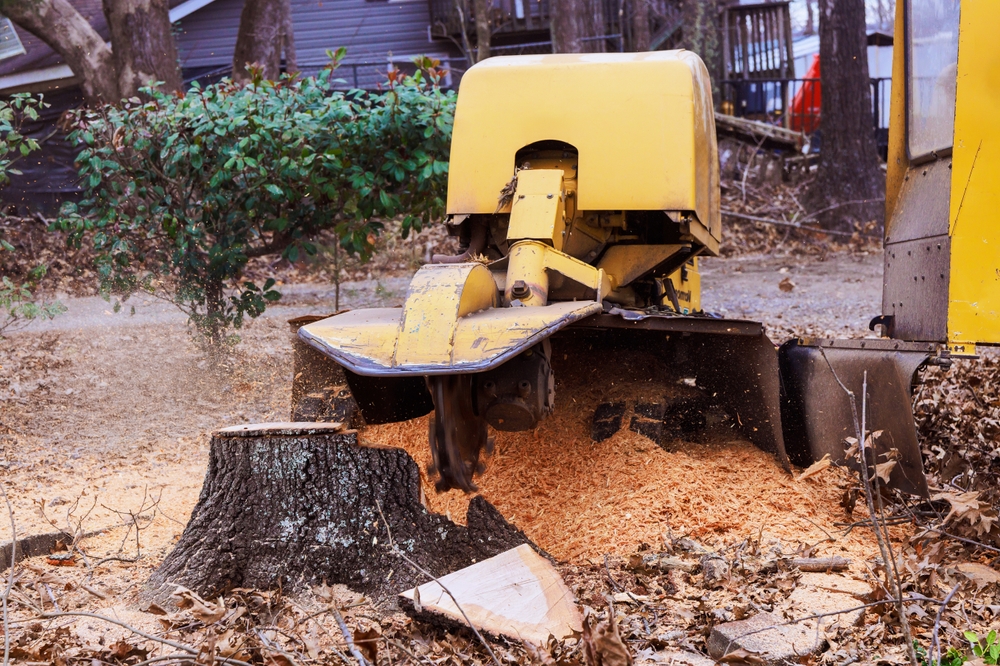
On commercial properties, trees aren’t just part of the scenery. They sit next to buildings, parking lots, sidewalks, signs, and power lines. When something goes wrong, the impact can be serious. That’s why working with tree removal contractors in Bellevue, WA, who employ certified arborists isn’t just a preference, it’s a smart decision. Commercial tree work requires judgment, patience, and real experience. Certified arborists bring a level of understanding that goes far beyond cutting and hauling. 1. Commercial Tree Work Carries Real Responsibility Unlike residential jobs, commercial tree projects affect many people every day. Employees, customers, tenants, and pedestrians all move through these spaces. A falling branch or unstable tree doesn’t just cause damage; it creates liability. Certified arborists approach every job with this responsibility in mind. They slow things down, assess their surroundings carefully, and plan each step before work begins. 2. Arborists See the Tree Before They Touch It One of the biggest differences with certified arborists is how they evaluate a tree. They don’t rush in with equipment. They look at structure, root stability, growth patterns, and past stress. This kind of evaluation helps avoid mistakes that can happen when crews focus only on speed. Many businesses assume they need tree cutting services in Bellevue, WA, but a trained arborist often sees safer, smarter options. 3. Removal Isn’t Always the Best Answer Not every tree that looks “bad” is actually dangerous. Some trees just need selective pruning, weight reduction, or monitoring. Certified arborists know how to tell the difference. They help property owners avoid unnecessary removals that cost money and reduce shade or curb appeal. It’s common for someone searching for a “tree cutting service near me” to learn that removal isn’t the only solution. 4. Experience Matters More Than Heavy Equipment Equipment is helpful, but it doesn’t replace experience. Certified arborists understand how trees react once cutting begins. They know how weight shifts, where tension builds, and how limbs will fall. This is especially important on commercial properties where space is tight, and mistakes are expensive. Good arborists rely on planning first and equipment second. 5. Regulations Are Easier With the Right Professionals Commercial tree work, you know, the kind that involves permits, inspections, and all the local rules that can trip you up, is something that certified arborists have to keep on top of. It helps business owners avoid getting stuck with delays and fines, and that’s a huge relief. Plus, they’ve got a deep understanding of the safety standards that protect both their workers and the public, all of which just adds to the level of professionalism they bring to the table. 6. Proper Pruning Prevents Future Problems And let’s be honest, poor pruning can have all sorts of nasty consequences, weak growth, decay, and future failures all waiting to happen because you didn’t know how to do it right. But certified arborists know their stuff, and they use pruning methods that really support a healthy, stable tree. And that’s especially important for commercial properties where trees can’t afford to fail at a moment’s notice. No wonder a lot of businesses are turning to a trustworthy tree trimming service in Bellevue, WA, rather than take a chance on some untrained crew. 7. Emergency Situations Need Calm Decisions Storms, high winds, and heavy rain can turn a healthy tree into a sudden risk. Certified arborists are trained to handle these moments without panic. They know how to stabilize damaged trees, remove hazards safely, and restore access without creating new dangers. Their experience helps keep situations from getting worse. 8. Long-Term Tree Care Protects Property Value Healthy trees add real value to commercial spaces. They provide shade, improve appearance, and make properties more welcoming. Certified arborists help businesses think long term instead of reacting to problems one at a time. Reputable tree removal companies in Bellevue, WA, understand that consistent care leads to safer, better looking properties over time. Commercial tree services aren’t just about getting rid of trees; they’re about managing risk. The guys who call themselves arborists aren’t just tree choppers; they are certified experts with real training, patience, and experience to back up every single decision they make. From taking a close look at a sick tree to handling a tree that’s come crashing down in an emergency, their job is to keep people and property safe and to look after the health of the trees and the whole landscape in the long run. And for businesses, all that expertise is a pretty good investment. If your commercial property needs professional tree care, don’t settle for rushed work or guesswork. Choose experienced tree removal contractors who focus on safety, planning, and long-term results. Contact us at Cascade Tree Services at 425-530-9697 and get guidance you can trust. FAQs 1. What’s the difference between a real arborist and some ordinary tree loppers? They dont just know how to chop down a tree, they know about tree health and safety. Theyre not just there to cut and remove, they take the time to understand the whole tree. 2. Does a commercial property really need an arborist to come in and have a look around? Yeah. The more people who walk through your doors, the more chance there is of something going wrong. Getting a pro to take a close look at your trees and come up with a plan is pretty darn important. 3. Can tree arborists actually stop you from having to cut down trees that dont need to come down? Absolutely. Loads of trees just need a bit of TLC to keep them safe, they dont all need to come down.